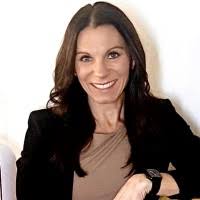
Thriving in High-Growth Organizations with Nicole Fallowfield


 Pandora
 What does it actually take to get promoted to SVP in a fast-growing company? Nicole Fallowfield didn't follow the traditional HR path — and that's exactly why she got the job.In this episode of Leading Through Growth, I sit down with Nicole Fallowfield, newly appointed Senior Vice President, Talent Business Partner at Unison Risk Advisors. After 17 years of navigating one of the fastest-growing organizations in the industry, Nicole shares the leadership mindset, non-negotiables, and pivotal moments that shaped her career — including the day her CEO told her, "This is the role you've been training for your whole life."What you'll learn:- The mindset shift required to thrive in high-growth, high-pressure environments- Why leadership skills outweigh technical expertise when advancing your career- How strategic HR — succession planning + talent development — drives business growth- Nicole's non-negotiables: transparency, psychological safety, and direct feedback- What "fail fast" actually means in practice (and why most leaders resist it)- How high-achievers intentionally recharge to sustain performanceIf you're a leader, HR professional, or aspiring VP trying to navigate a growing organization, this episode is for you.SUBSCRIBE & FOLLOW🔔 Subscribe for weekly leadership insights: www.YouTube.com/@TonyRSanders 🎙️ Listen on Apple/Spotify: www.growwithgawlo.com/podcast💼 Connect with Tony: https://www.linkedin.com/in/tonyrsanders/#Leadership #CareerGrowth #HRLeadership #PsychologicalSafety #LeadingThroughGrowth
WEBVTT
1
00:00:00.115 --> 00:00:25.090
I know you have other opportunities within Gibson, but like this is the role you've been training for your whole life. Have you ever had a moment where someone says something to you and you can tell they see something in you that maybe you don't even see in yourself? That one conversation could change the entire trajectory of your career. I know it did for me, and it also did for today's guests.
2
00:00:25.090 --> 00:00:44.733
This week, we're interviewing Nicole Followfield, and she recently stepped into a brand new role as senior vice president, talent business partner at Union Risk Advisors. But the path that got her to that role started earlier when a CEO looked at her and said the very wise words that you just heard in the beginning of this episode.
3
00:00:44.733 --> 00:01:10.940
And it challenged her, it stretched her, and ultimately, it shaped her into the person that she is today. So in this conversation, we're going to get into what it actually takes to grow inside of a fast-paced organization. The mindset, the non-negotiables, the pivotal moments. We talk about psychological safety, succession planning, what it really means to fail fast, and why transparency isn't just a buzzword, but it's actually a survival skill.
4
00:01:10.940 --> 00:01:39.728
So this is the Leading Through Growth Podcast. I'm Tony Sanders, and I'm really glad that you're here. Let's get into this week's episode. Just tell me about your new title, your new role, what you're looking forward to. Okay, sure. So yes, so very grateful for my time at Gibson. And the great news is that I'm not leaving Gibson. It's just, I won't be, I won't technically be a Gibson employee anymore. I'll be an employee of Unison Risk Advisors.
5
00:01:40.117 --> 00:02:05.277
Gibson joined Unison through a sale of our organization last July. And so I always knew at some point my role would shift because, you know, there was a desire to create shared services to allow for efficiencies and scale for all of the operating companies that roll up under the Unison brand.
6
00:02:05.851 --> 00:02:33.863
And so while Gibson still maintains an independent brand, Unison is supplying shared services from an IT perspective, facilities, as far as like managing all of that, finance, and then HR has been like the last one to kind of come along to build out shared services. So it's still very much in building mode. But my new role is Senior Vice President, Talent Business Partner. And so I will be partnering with the leadership teams
7
00:02:34.150 --> 00:02:56.493
I'm continuing with Gibson, but then Oswald, which is the largest operating company. They're headquartered in Cleveland. And then two other companies, one, Avoca Risk and another one called Avondale. And so I will be partnering with their leadership teams on all things strategic HR, so from their growth objectives, talent,
8
00:02:56.780 --> 00:03:18.650
anything related to the HR function from a strategic high level. So we'll be doing succession planning. We will be doing, you know, talent reviews and nine box. And how do we help the next layer of leadership develop those skills? And where do we have gaps? And so all of those things that strategically fall under HR that
9
00:03:19.004 --> 00:03:27.020
really a lot of those organizations haven't had up until this point in time because shared services hadn't existed for human resources.
10
00:03:27.880 --> 00:03:54.492
Yeah, I love that. So I wanna hold on to a couple of things that you said because if you are working at a growing organization, especially in HR, or even if you're the CEO, CO, and you're listening to this podcast or watching this podcast, Nicole just gave you some nuggets. She just gave you some gems. If you are growing your company and you have a solid strategic growth plan, but you don't pair that with succession planning and your talent development strategy,
11
00:03:54.492 --> 00:04:21.813
you're eventually going to fall short. And so as she's going through this, right, she's talking about all these different companies. She's going to be really leaning in on, okay, the business is growing. How do we make sure our people are growing with the business, right? We have to have a succession plan because there are times where we need to have successors, right? Whether someone hits the lottery tomorrow and they decide they don't want to come back to work, we got to still keep this train rolling. So we need to be preparing leaders to take over and move forward. And so I'm going to be talking about this.
12
00:04:21.813 --> 00:04:39.785
I think there are so many companies out there that are not paying enough attention to our people growing. They are just focusing on are we growing the business, the sales, marketing, acquisition side of the business. And so this is why I love doing this podcast. I get to talk to great leaders like you who are focused on these things every day.
13
00:04:39.785 --> 00:04:59.596
One of the things I'm curious to know what you think about this. One of the things about growing or working at a growing organization is that through all the craziness, right, you got to be prepared to be busy. No one's I imagine the last few years you have not been sitting around like, oh, man, I don't have anything to do today. I guess I'll go to the gym. You've probably been working really hard.
14
00:04:59.596 --> 00:05:26.309
and super busy, but also with that comes opportunity. If you could stay through, grounded through all the craziness, right, there's great career advancement opportunities, there's great development opportunities, and that's what you just described for yourself, right? How was it for you, you know, being able to continue to work at such a high level and position yourself or prepare yourself for opportunities like the one you just got?
15
00:05:27.305 --> 00:05:50.828
I think a lot of it's your mindset, right? Like how you're naturally wired. And so anybody who knows me really well will say I have one speed and it's not slow. So I thrive on that. I like controlled chaos, if you will, to an extent. Like I like to have a lot of different things to do to be busy.
16
00:05:51.098 --> 00:06:13.390
It's funny because Gibson's been around for almost 100 years. And we always say like it's like a hundred year old startup. And same thing with Oswald. They've been around even longer because it's still very entrepreneurial in nature. And so when you're working for a high growth organization, you have to be able to pivot that.
17
00:06:13.660 --> 00:06:35.902
You have to be comfortable with ambiguity. And I can function really well in that space for a time. Now there comes to a point where you're like, okay, we probably need some clarity here. But there has been opportunity along the way, and I didn't get started in HR. When I joined Gibson, I joined in a consulting capacity and I was working alongside our employee benefits team.
18
00:06:35.902 --> 00:06:51.292
in particular, our sales team, to bring organizational health, wellbeing strategies, onsite clinics to their clients and to their prospects. And I just had opportunity to grow into new roles.
19
00:06:51.292 --> 00:07:16.199
I think, as if anybody reads my LinkedIn post, I called out Tim Lehman, our CEO, because he did. He saw something in me very early, offered multiple opportunities for me to grow in roles outside of my area of expertise. But his main goal was to find somebody who could lead and was comfortable leading, comfortable with change, and could also be that cheerleader for that change.
20
00:07:16.199 --> 00:07:42.136
So that's why I've had so many different roles at Gibson and now this new role with Munison Risk Advisors. Let's talk about that for a second. So we share a common friend, Andrea Butcher, who I hope she's listening and watching this. If not, I'll clip it up and send it to her. But she taught me the importance of having a leader who can see you and potentially see things in you that maybe you don't see.
21
00:07:42.136 --> 00:08:12.055
So I'll share a quick story. Andrea and I worked together at an organization called defenders, defender direct back in the day over a decade ago. Now, it sounds crazy to say. Um, and I was, I was a trainer there and like working to kind of establish myself there in the training and development world. And I did a presentation for this group. Uh, and at the end of the presentation, Andrea, in front of all of, you know, my leaders and peers and potential peers and all these people, she says, uh,
22
00:08:12.055 --> 00:08:36.288
we're all gonna work for Tony Sanders one day that's what I think and I'm like What do you what? What does that even mean? Right? Like I'm just trying to be a good trainer and like, you know Do my work and hopefully get this job and like continue to move my career forward but she saw something in me that like Frankly took me years to recognize when I saw your post about Tim. I imagine that you
23
00:08:36.288 --> 00:08:50.615
you probably have a similar thing there where he saw something in you that you didn't necessarily see in yourself. So I would love for you to talk about that and just how important that is from a leadership perspective to really kind of speak life into your team members like that.
24
00:08:51.222 --> 00:09:16.670
Sure. So, so when I joined Gibson, I was leading or developing, um, a practice area, if you will, around wellness, wellbeing, you know, organizational health. Um, and it was great and I loved it. And I was relying on my many years of expertise to bring that consulting to our clients, to our prospects, educating our, um, our producers on what all of that meant.
25
00:09:17.176 --> 00:09:32.515
And then there was an opportunity where we had somebody who was leading our employee benefits team, and she decided she was going to get out of the business. And Tim came to me and said, hey, would you be interested in leading the employee benefits operations? I'm like, no.
26
00:09:33.089 --> 00:09:59.026
oh, can't you ask somebody else to do that? I really do think I asked him if he could ask somebody else to do it. And he was like, well, let me think about it. I'll go see. Then he came back again and was like, Nicole, I think we just need some steady leadership here. You don't have to do it forever. You know the employee benefits space. I just need a strong leader. And so I said, okay. So I wore dual hats during that 18-month period, and it was great. I loved it.
27
00:09:59.262 --> 00:10:04.612
But if I'm honest with myself, and I don't know that I was truly honest with myself in the moment,
28
00:10:05.253 --> 00:10:32.506
They needed somebody else because we were getting ready to go through a big agency management system migration. And so much of that was around the work being done at the service team level. And so Tim had hired somebody to serve as eventually he was our COO, but he and he's still with Gibson, but he had started out like managing special projects. And he and I had a conversation where he essentially told me like,
29
00:10:32.810 --> 00:10:48.284
Nicole, I don't think you're the right fit for this role. He didn't say it in those words, but that's essentially what he was telling me. And honestly, I was, I was devastated. But when I had time to think about it, I'm like, yeah, you know what? He's kind of right. Like, I think
30
00:10:48.655 --> 00:11:17.208
You know, I got, you know, the service team to a point where there was some stability there, but they were getting ready to embark on this huge, you know, project where their work was going to change. They really needed somebody to lead that who understood how to get that job done. I understood how to lead. I didn't I was never in the weeds on the client manager work because that just wasn't my background. And so it coincided with.
31
00:11:17.647 --> 00:11:33.965
at point in time where our HR director was leaving. And I know Tim was having some, he was wrestling with like, what do we need to do? Because I don't want to do traditional HR. And so he was talking to somebody up in,
32
00:11:34.285 --> 00:12:02.146
his neck of the woods up in Northern Indiana, who was very well respected, was a people leader, a CHRO for a very large health system, very progressive in his thinking. And he basically told Tim, you're looking at it the wrong way. Don't find somebody with the traditional HR background. If you've got people who are technically savvy from an HR standpoint, you can rely on that. Find somebody who's a good people leader.
33
00:12:02.635 --> 00:12:31.795
And that's when Tim came to me and said, hey, I have this idea because I know you don't want to stay in the wellness space. I know you've talked to Brock and we need to pivot in operations for employee benefits. I think you would be perfect for this role. He said, I think we're going to call it director of administration. It will have accountability for IT facilities and HR. What do you think? And I said, Tim, I'm going to call it director of administration.
34
00:12:32.318 --> 00:12:47.388
I don't know anything about IT. The only thing I know about IT is that when it's not working and I call somebody, I do not want them to ask me if I've rebooted because of course I've done that and it still isn't working, which is why I'm calling you.
35
00:12:47.388 --> 00:13:16.362
He was like, that's about the employee experience. That's what this role is going to be about. It's going to be all about employee experience. I said, how do you think about facilities either? He's like, that's okay. We have somebody who knows that. I said, I know enough about HR because all of the work I've done throughout my career has been alongside HR professionals, but I'm not your technical HR expert. He's like, you don't have to be. I need somebody who understands the culture, who understands our people and who can lead. I think you're perfect for this role. And I told him no.
36
00:13:17.223 --> 00:13:36.342
And then he came back again about three to four weeks later and said, I've given this even more thought. I think you're perfect for this role. I know you have other opportunities within Gibson, but like this is the role you've been training for your whole life. And that's what he kept telling me.
37
00:13:36.342 --> 00:13:51.344
And so I finally said yes, and he was so right. I have loved every minute of it. We did a restructure on our leadership team back in 2024. And so I gave IT and facilities back to finance. And I always tease our COO that...
38
00:13:51.344 --> 00:14:17.956
Yeah, he got it back after I got it in shape. And then I just had overall responsibility for the employee experience, all of the strategic HR, and I've loved every minute of it. I could have done it forever. And then so when this new role was presented to me, it felt like kind of the best of both worlds where I could maintain my connection to the Gibson leadership team
39
00:14:18.277 --> 00:14:45.952
and then still have a span of influence outside of that across some of the other operating platforms. There's a powerful philosophy in there that we quite frankly usually see the opposite of at companies. And I'll explain what I mean by that. A lot of times, CEOs, COOs, executives, when we think about elevating somebody up into leadership, we think about everything except for their ability to lead people.
40
00:14:46.306 --> 00:15:04.463
It's like, okay, they're really good at the technical expertise, so they should lead all the people that do that technical expertise. And we're not saying that because everybody, like, if you say that out loud, we all can see, like, how much sense that does not make. But that's essentially what happens, right? And companies will say, like, oh, we promote from within, which I do think it's a good thing.
41
00:15:04.463 --> 00:15:23.768
But are we preparing people for the next level? And so what happened with you is almost the opposite. It's like, hey, we got really great people from a technical perspective. What we need is someone with great leadership skills and great leadership qualities. And I think that that is what the job of a leader is all about.
42
00:15:23.768 --> 00:15:48.642
We got to be able to make sure that we can see those things and be able to kind of step outside of the technical expertise a little bit to see the employee experience like your IT example. That's always that's the classic one. Did you unplug it and plug it back in? Did you reboot? It's like I did all the stuff, man. It's not working. Just please help me help it work. But I love that because it.
43
00:15:48.642 --> 00:16:07.475
pulls you out of it and focuses on the skills that are really needed for leadership. And whenever I see a company that's prioritizing that, I know that they are going to be moving in the right direction because they have their head on straight as far as how this thing works at the leadership level. So that's really, really good.
44
00:16:08.504 --> 00:16:37.613
When you think about all the work that you've done in this 17 year period, and even all the work that you're about to do, I'm curious, are you a type of person that like the more you have to do, the more you get done? Is that, have you ever felt like that? You know, I don't know if I've ever thought about it that way, but probably, I don't think I've ever been in a role in my entire career where it hasn't been
45
00:16:37.917 --> 00:17:01.441
fast paced where you aren't wearing multiple hats or responsible for just picking up because you are in a high growth entrepreneurial environment where it just necessitates that you're moving quickly. I think it's funny because Brock Squire, who's the CEO, the COO at Gibson, he often talks about how.
46
00:17:01.660 --> 00:17:12.393
you know, we move at the speed of Gibson. And so some people just don't, like they don't thrive in that environment. Not all of those are that way, but I think,
47
00:17:13.051 --> 00:17:38.245
I do think there's something to be said for that. Like, yeah, I've got a whole list of to do's and some of it's about prioritizing and being intentional about what you're going to tackle first. But I think I've always thrived in just that really fast paced environment. And I love it. I can't imagine having a day where I'm like, I don't know what I'm going to do today. I wouldn't know what to do with myself. Retirement is going to be very difficult for me. Let's be honest.
48
00:17:39.089 --> 00:17:58.006
I'm right there. I'm in the same boat. I tell my wife all the time. I have no plans on retiring. I don't. Maybe I'll slow down. Maybe work will look different, but I have no plans on retiring because I'm right there with you. I like the controlled chaos, as we called it earlier. With that, do you find ways to...
49
00:17:59.525 --> 00:18:25.428
recharge, right? There's this idea of, you know, work-life balance, which I don't love, but then there's, there's work-life integration where like, this is a part of my life and I need to make sure that I, you know, not necessarily balance things, but integrate things in a way where I'm never trying to pour from an empty cup, right? I'm doing, yes, I'm working really hard, but then on the weekends or in the evenings, I'm doing other things to kind of help, you know,
50
00:18:25.428 --> 00:18:34.068
you know, integrate things better. What do you do to help yourself kind of recharge so that you can do the work that you're clearly so passionate about?
51
00:18:34.912 --> 00:19:02.637
Well, I'm an avid exerciser, so that's like my outlet. Definitely, you know, like my stress reliever. I have to do it. I'm not pleasant probably to be around if I don't do something. So my family, they tolerate that. They know who I am. But I've been trying to be a lot more intentional with that, especially over the last year or so. Nobody's spring break in my home
52
00:19:03.160 --> 00:19:18.449
overlaps. So my husband teaches for Indiana University at the Indianapolis campus. His spring break is one week. My daughter is, well, she will be a junior next year at Indiana State. Her spring break is a totally different week. And then I have two others.
53
00:19:18.449 --> 00:19:36.404
My two other daughters, they both have two weeks off because we're on a balanced calendar and their spring break doesn't overlap. So I decided this year, we've always tried to kind of like piecemeal something together. And I'm like, I...
54
00:19:36.758 --> 00:19:56.367
I'm going to take them somewhere. We're going to do something. And so the three of us went and kind of just chilled in Florida for five to six days. And it was amazing. I read, I love to read. And so I read two books while I was there and,
55
00:19:56.367 --> 00:20:23.485
I still did check my email occasionally, um, just so that I didn't come back to a bunch, but, um, I do like to do that kind of stuff. If in the summertime, I'll, I'll try to make sure I get outside just to, you know, relax on the weekends. I like to sit outside and soak up the sun for a little bit, just for that vitamin D and, you know, just, it feels good to have the sun on your face. And, um, we try to do things outside in the summer, um, yeah.
56
00:20:23.485 --> 00:20:46.958
But yeah, I've been more intentional with thinking about how I'm going to model the breaking away from work with my girls, especially because I do love it so much. So it doesn't always feel like work, but I know that I can tend to go to the extreme with it. So I've been trying to be more mindful of that.
57
00:20:48.511 --> 00:21:12.423
It sounds like you're doing it. I love the exercise thing. For our audio-only listeners, Nicole's standing right now for this interview. She's not seated in a chair. She's standing right now for this interview. I don't know if she's on a walking pad. You're not on a walking pad, are you? Okay, not on a walking pad, but she is standing. What's your favorite...
58
00:21:12.423 --> 00:21:20.894
Exercise to do I got to know this from a high-level leader when you wake up in the morning. What exercise are you? Are you doing on most days
59
00:21:21.350 --> 00:21:44.401
Okay. Well, what I would love to do, but my body does not let me do anymore is at least not on a frequent basis is I love to run. And I was never a runner before. This is something I picked up in my thirties was running. And I just like, there is something about that runner's high when you're done and you're just like, that was so amazing.
60
00:21:44.755 --> 00:22:13.898
I can't do it anymore because, you know, the body does start to break down no matter how much you try to preserve it. And I, because I love it so much, I would get like, I get like addicted to doing it and I want to do it every day. And then I'll start to have like these little annoying things. Like I had a hamstring injury last summer and it took forever to get over that, like going to physical therapy. And I was finally able to start running again. But then, of course, then I start to push myself too much. So.
61
00:22:13.898 --> 00:22:28.681
That would be my most favorite thing to do just because I like how I feel when I'm done. I like the pace of it. I like the results I get when I do it. But I also do weight training. I've been trying to do that at least three days a week.
62
00:22:29.069 --> 00:22:55.057
So I do like to weight train. Super important for women, especially bone density, lean muscle mass as you age. And so I will do that. If I have to pick an alternate cardio exercise, then sometimes I'll just walk outside if it's really nice. I'll walk at a fast clip. I like the revolving step mill that looks like a revolving staircase. Like I'll do that.
63
00:22:55.057 --> 00:23:11.729
And then I do like the elliptical. But to run inside on the treadmill, I just think that's a cruel and unusual punishment. So I try to stay away from that if I can. Yeah. I know that there's obviously physical benefits to exercising.
64
00:23:12.809 --> 00:23:32.907
Scientists would also say there's, you know, mental and emotional benefits. Do you think there are any leadership benefits? Is there anything about your workout routine that you feel like makes you a better leader when you get it done? I think it gives you clarity. I mean, I do some of my best thinking, too, when I'm exercising. Yeah.
65
00:23:33.143 --> 00:24:03.012
In fact, I have it freaks my husband out when he sees me like talking into my phone. But sometimes I'm like taking like notes because I'll have a thought. But I do think there is tremendous benefit to it helps to clear that mental clutter. There are sometimes if I have back to back meetings and I have a little bit of a break, I'll get up and I'll go walk. Either I'm at the office today at the Indianapolis office. I'll go walk outside for 10 or 15 minutes just to clear my head and then come back and be a lot more productive.
66
00:24:03.012 --> 00:24:12.479
And then also, I think it helps me to be more grounded, more present so that I can give attention to somebody else because, like I said, it does clear that mental space.
67
00:24:13.272 --> 00:24:36.998
Yeah, that's great. There's kind of an analogy as it relates to being productive and working in fast-paced environments. And the idea is some of the work that you do is going to be the exact work you should be doing every day. It's the thing that's going to give you the biggest bang for your buck, so to speak. And we call that signal. And then everything else is noise.
68
00:24:36.998 --> 00:25:03.323
And when we look at people in fast growing organizations, it's easy to get caught up in the noise because at first everything looks like signal. It's like the thing that's screaming the loudest must be the most important, right? We've heard all of our lives. The squeaky wheel gets the oil, but it's like, that's not actually true. It shouldn't be the thing that's allowed us to get our attention. It should be what's most important. And I think that,
69
00:25:03.323 --> 00:25:22.780
Your exercise tip that you just gave or your exercise hack for leaders kind of creates that clarity for you to say, okay, what's most important right now? Because you are going to be living in this VUCA world and you kind of spoke to it earlier. I love using that term VUCA. It stands for volatility, uncertainty, complexity, and ambiguity.
70
00:25:22.780 --> 00:25:43.638
And usually out of those, there's one that like really drives people crazy the most, right? Like they're like, I can handle the volatility and the uncertainty, but the ambiguity, I really want it to be black or white. But in that you have to have that clarity and presence to say, okay, what should I be focusing on right now? And so I love that exercise brings that in for you.
71
00:25:44.735 --> 00:26:04.782
Yeah, for sure. And the funny thing, too, Tony, because I know you have kiddos as well there. I don't remember the name of the study, but there is a study that talks about how much better kids perform on tests when they are able to get up, do some type of physical activity and then sit back down to take a test.
72
00:26:05.356 --> 00:26:15.667
Wow. Yeah, I'm gonna have to look that up. Yes, I don't remember the name of it, but I know it exists. And I don't know why we don't do more of that in our schools.
73
00:26:16.375 --> 00:26:46.278
Yeah, that's interesting. My daughter, I'm looking at my phone right now because my daughter just sent me her final schedule because it's that time, that time of year. So this is timely information, even for her to start thinking about the benefits of exercise and like how your brain functions and how you how you perform on a regular basis. So I think that's really, really great. You mentioned that you read two books while you were in Florida. Were they fiction books, nonfiction books? What type of books are you reading? Yeah.
74
00:26:47.138 --> 00:27:15.404
Okay, I'm not telling you what they were as far as the titles, but they were, they were for sure fiction. They were fiction, they were mystery, thriller, you know, like fast paced, shocker, right? Fast paced, just like shorter chapters because I like to have a natural pause if I don't have, you know, a good, you know, 30 minutes to an hour to just be sitting
75
00:27:15.640 --> 00:27:17.243
reading.
76
00:27:17.497 --> 00:27:46.589
So that would be my, that's always my go-to. Like I like, you know, fast paced mystery thriller type. If I'm going to read nonfiction, the same criteria holds. Like I want it to be fast paced. So like there's a great book called Into Thin Air. And it's about the, I believe it was the 1996 expedition to Everest that went south and lots of tragedy. That book is thrilling. I've read it multiple times just fascinating.
77
00:27:46.589 --> 00:28:05.540
Really, really good book. Black Hawk Downs, another one that I read before it was ever a movie. Another one called Killing Pablo about Pablo Escobar, the drug lord. So like if I'm going to read nonfiction, it still has to meet that criteria of being kind of fast paced.
78
00:28:05.540 --> 00:28:30.228
Yeah, I like that because and the reason why I asked that is I had a suspicion that it was fiction. And I think not enough executives take time reading fiction books, like escaping from the business world, allowing your brain to kind of temporarily shut off to those things, and then immersing yourself into something that is really not real, but also can give you a real experience. I
79
00:28:30.228 --> 00:28:50.461
To be fair, I think sports does that too. If you ever see a sports fanatic like crying or throwing something because their team is losing, it's like, bro, that's not your team. They don't know you. You're not getting paid. You just love that team. I do think we need spots and moments in our lives where we can just totally immerse ourselves into something that –
80
00:28:50.461 --> 00:29:11.082
doesn't necessarily really matter to our real lives. I think fiction books is a great way to do that and not enough leaders do that enough. I also think when you give your brain a chance to rest on the business side of things and focus on something else, usually right after that is when some of the best ideas come up. It's like...
81
00:29:11.082 --> 00:29:33.880
Now that you've given your subconscious a chance to like fix it and solve it and put it together, it'll bubble it back up to your conscious brain and say, okay, here's what we need to do. Or here's this idea. Here's that idea. Going back to your piece about clarity. But if we never have that escape, I think it's really, really difficult to do that. And I saw a LinkedIn post a couple of weeks ago. I wish I knew who to attribute it to. But they were starting a group.
82
00:29:33.880 --> 00:30:01.066
specifically for men to read more fiction books because apparently men are the worst at it. And so, but, but I think it does help with how you live and how you lead. I think both of those things are really important. So that's why I wanted to ask the question, not specific titles, but genre. I was very curious about the genre. That's really good. I probably have to look up the title. I try to keep track because then sometimes I'll start to read something. I'm like, I feel like
83
00:30:01.066 --> 00:30:07.816
I've read this before. So I try to keep a list of what I've read so that I'm not repeating something.
84
00:30:08.120 --> 00:30:32.318
Yeah. You know, a third of the way in the book. You're like, I've already read this. Like, oh, yeah, I've heard this before. Yeah. Yeah. Okay. That's good. In your career, you've had and continue to have success working in these fast-paced environments. I think you're like me where we love it. We thrive in it. We prefer it. We enjoy it. You've also, I imagine, along the way seen people...
85
00:30:32.318 --> 00:30:58.576
not be successful in those environments for whatever reason or another, or people who could be successful in those environments, but they're really, really struggling. If you could talk to that person that's really, really struggling and just kind of coach them on the benefits of working in that environment or coach them on some best practices to keep them on the path and not burning out, what are some words of encouragement or advice maybe that you could give them?
86
00:30:59.622 --> 00:31:28.867
I think anybody who's working in a high growth organization has to understand and be comfortable with the fact that you're going to have ambiguity. You're going to have to pivot. Sometimes you might be down the path of, you know, like, oh, we're going to go this direction and then it's not working out. So you have to be willing to fail fast. And so as long as somebody wants to work in that environment and also knows that it's not a personal reflection of their ability to,
87
00:31:29.255 --> 00:31:52.863
or that they're failing. Because if that were the case, then I wouldn't have lasted, right? Because we all are going to come across those kinds of situations in a fast paced environment where you either can't keep up, you need help, so raise your hand and say you need help, or maybe you're not good at something. And that was one thing that it took me a long time to learn is
88
00:31:52.863 --> 00:32:19.019
Like there are certain things that are required and I'm not good at those things. So I should ask somebody on my team who is good at that thing to pick it up for me. And then I'll pick up something that maybe they're not good at or they don't enjoy that energy zapping. So it just can't be you can't take it personally and see it as a personal reflection of your ability, because in a fast paced environment, you pivot.
89
00:32:19.762 --> 00:32:41.598
quickly a lot of times, or you change direction and maybe it was your idea. And then, then you go away from that idea. It doesn't mean that you didn't have a good idea. It's just maybe it's not at this point in time for the business and what the business needs. So I just think my advice would be ask for help when you need it. Don't take it personally and then figure out what you're good at
90
00:32:42.070 --> 00:32:52.043
and do more of those things. And I bet there's somebody on your team who is better at the things that you don't like doing. And so ask them to do those things.
91
00:32:53.005 --> 00:33:16.107
I love it. Removing the ego, like not having an ego about the idea or where it comes from or whatever we need to do. It's just like we're all here to serve the mission and we're moving so fast that we don't have time to like deal with all the ego stuff. We need to be focused on what we're here to do. So I love that. Last question for you. I'm curious to know your thoughts on this. Yeah.
92
00:33:17.592 --> 00:33:41.757
I think it's important and really critical for leaders at fast paced organizations to have non-negotiables. And here's what I mean by that. I'll give you just one example. If I am leading a team at a fast paced organization, one of my non-negotiables is going to be that we meet regularly and have regular team meetings or regular one-to-ones.
93
00:33:41.757 --> 00:34:08.858
because I know that everybody's gonna be head down doing the work, they're gonna be so focused on everything that they need to do, and we need to make sure that communication continues to flow on a regular basis, so we have to establish some type of leadership rhythm. So I never want you as someone who works with me, I never want you to be thinking like, I wonder what Tony's thinking, or I wonder what Tony, I wonder if Tony can help me with this. Like we meet every Thursday at 11.
94
00:34:08.858 --> 00:34:29.412
So at 11, we're going to jump on a call, we're going to meet for 30 minutes and you can tell me about all the stuff, all the bottlenecks that we need to break, where you're winning, where you're struggling, where you need help, all those things. So my question to you, and it could be that same thing or something along those lines, what are your leadership non-negotiables for leaders at fast-paced companies?
95
00:34:31.150 --> 00:34:54.742
Uh, I, well, I'm a big believer in transparency. So I think that if we can be transparent with our teammates and, um, the people we're leading to let them know when we don't know the answer to something, um, when I need, I need help from you because I don't, I don't know, or I want your idea. Um.
96
00:34:55.315 --> 00:35:23.058
I, so I think transparency is one of those non-negotiables for me. I just think it helps with an ownership culture. I think it helps people to own their roles. Um, and then expectations. So like as, as your leader, what do you expect of me? And then vice versa, I'm going to tell you what I expect of you. And I expect that if, if you mess up, it's okay. You're going to tell me because guess what? I'm going to mess up and I'm going to tell you that I messed up. Um, if,
97
00:35:23.412 --> 00:35:38.515
you need more of my time, I want you to let me know because I tend to lean more towards autonomy and I've been told by some of the people who've reported to me in the past that they felt like I wasn't as present as I could be.
98
00:35:39.173 --> 00:36:06.477
Tell me that because that's not my intent whatsoever. I just, I believe in the teammates who work with me and who are my direct reports. And I have the utmost faith in their ability to get the job done. So I'm going to lean heavy on just letting them run with it and to be autonomous. Now keep me up to date. So there aren't any surprises. That would be one of my other non-negotiables. Like I don't want to ever walk into a meeting and be surprised.
99
00:36:06.477 --> 00:36:21.530
by something that went wrong or where we've been struggling and I didn't know it. So I just I want that direct communication and be direct because I'm a very direct person. Now, I've learned to temper that over, you know, the course of it.
100
00:36:21.530 --> 00:36:51.044
course of time where I will maybe take a little bit of a different approach with certain teammates, but there are other teammates of mine, they'll call me out and I'll call them out, you know, so it's, you know, we've got this mutual respect of being able to be direct with each other. And that's especially true, like with the leadership team. I mean, we've had some very, you know, direct and hard conversations, but then, you know, at the end of the day, we come together and say, okay, this is the decision we've made. And we feel like this is best for the business. So we're
101
00:36:51.044 --> 00:37:17.588
So I just, I think transparency is key for me. And, you know, I want people to feel safe and telling me what they need and not being afraid to say, hey, I don't think you showed up for me or I need you to show up a little bit differently. I'm open to that. I know that I'm not I'm not done growing and being challenged. And so I want people to push back if they feel like they need to push back on me. Just because I'm the leader doesn't mean I have all the answers.
102
00:37:18.500 --> 00:37:42.698
Yeah, that's great. You just gave like the framework for a great leadership development cohort. Because here's what I heard when you said that. I heard transparency being the overall thing. But like then we need to talk about psychological safety. You're providing that by being transparent, being straightforward, being direct. There's also an element of vulnerability in there, right, which I think a lot of leaders...
103
00:37:42.698 --> 00:38:08.433
shy away from, but that vulnerability creates the transparency, creates psychological safety, and also creates trust, which another thing is like really, really important in fast-paced organizations, right? If people don't have trust, they can't give you the benefit of the doubt. They can't give you the benefit of the doubt. Their brain's going to swirl and all the things that may be happening. And it gets really, really crazy, really, really fast. And then you also talked about a culture of accountability and feedback, right?
104
00:38:08.433 --> 00:38:28.953
Right. Being able to give me feedback as a leader, even to say, hey, you're not leading me properly in these moments. Or I feel like you're being too absent and not present enough. That's great that I can feel safe enough and trusting enough and have that level of transparency and vulnerability with my leader to be able to give him or her feedback. And then lastly, having that growth mindset like.
105
00:38:28.953 --> 00:38:53.472
I want to get better. I want you to get better. We're all in this to get better. We're all going to make mistakes. We're all going to grow. That is, I need to like write that down. I'm going to pitch that to a company later and say, here's our leadership development cohort straight from the cold. No, I'm kidding. But that's really, that's really, really good. Anything else that you, that you would like to share or that you wanted me to ask that I didn't ask?
106
00:38:54.738 --> 00:39:16.068
No, I think one of the really important things for leaders at organizations that are on high growth trajectories is to make sure they are taking the time to pause and listen and ask some of the, you know, maybe tough questions or things that maybe they don't want to hear but need to hear.
107
00:39:16.810 --> 00:39:39.878
It's finding great talent is difficult. And I think a lot of times when you're in a fast paced organization that's growing quickly, a lot of times, you know, like you're really good people. You might say, oh, well, they're great at that role and I'm nervous to let them move into something else. But if they're raising their hand or you can kind of see they're struggling, don't ignore it.
108
00:39:40.132 --> 00:39:57.833
Have those conversations so that you're not losing a great talent where maybe they could pivot somewhere else. I've seen that happen many times at Gibson, especially where we've had people who've said, like, I've done this role and I'm good at it, but I'm not loving it anymore. Is there something else for me?
109
00:39:58.053 --> 00:40:19.282
And they've gone on to create amazing things within our organization and lead different areas. And so I think it's important to pay attention to some of those things because it's difficult. You're a lot of times operating off of inertia versus being truly intentional in the moment because of everything that's going on.
110
00:40:19.670 --> 00:40:49.252
I think sometimes there are those subtle signs. And if you don't, to your point, have those regular check-ins with people. And not just to check in, to check the box, but to truly listen. Like stop talking, like as the leader, stop talking. And I need to listen and to actively listen, to see what they're saying. And if you, if you start to get a clue, you know, like, well, tell me a little bit more about that. Or what do you mean by that? Because there can be some really valuable nuggets that come from those conversations.
111
00:40:50.922 --> 00:41:19.373
Beautiful. Excellent. Well, Nicole, thank you so much for being on the show. This was great. I know that the people watching this and listening to this, you picked up a lot of gems, a lot of nuggets that you can take with you. And just remember, if you're leading through growth, it is a process. It's a marathon. It's not a sprint. I know you think that if you just work harder, eventually you'll get to the end of the work, but that's not a real place. You have to make sure that you stay in it to win it. Stay focused. Stay grounded.
112
00:41:19.373 --> 00:41:31.439
And thank you for listening to this episode. Make sure that you share this with a friend if you know they're leading through growth at their organization or even in their lives. And make sure you subscribe so you can come back for more episodes of Leading Through Growth.